
Dental check-up and consultation
zł 150.00
Sedation during dental procedures allows for the complete elimination of unnecessary stress. Compared to general anesthesia, this method involves placing the patient in a state of deep relaxation or light superficial sleep. All protective reflexes are preserved, while the feelings of fear and pain disappear. It is the best choice for individuals with dentophobia, those planning long-term, comprehensive treatment, or simply those who value maximum psychological comfort in the dental chair.
These terms should not be confused. They differ in the degree of pharmacological impact on the body. The main difference lies in the depth of consciousness suppression and the maintenance of independent breathing:
Today, dental treatment under sedation is gaining popularity because it effectively eliminates fear and discomfort with minimal strain on the body.
This procedure is not just a matter of comfort but is often a medical necessity. Treatment under sedation is indicated in the following situations:
The use of sedation allows the doctor to focus on precise work, while the patient wakes up with a finished, healthy smile without any unpleasant memories.
In our clinic, a separate team of specialists is responsible for safety and comfort during pharmacological sleep, guaranteeing maximum control at every stage. The sedation procedure is performed not by the dentist, but by an experienced anesthesiologist. Their tasks include:
This division of duties allows the dentist to focus fully on treating the teeth, while the anesthesia team ensures complete safety.
Before starting treatment, the patient undergoes a consultation and completes a medical questionnaire. Sometimes, additional tests or a certificate from a primary care physician may be required. Before the procedure, the following recommendations should be followed:
The procedure follows a set algorithm where patient comfort is the priority:
Yes, it is currently a common practice, desirable in cases where small patients do not cooperate during traditional treatment.
Indications for children:
Sedation is used in cases of:
The procedure should be avoided in cases of:
On average, the procedure lasts from 1 to 4 hours. Usually, an extensive scope of work is planned for a single visit, which is safer and involves less discomfort for the patient.
Final prices are determined individually and depend on the duration of the sedation and the scope of dental services.
A convenient online form is available on the website. After submitting your application, we will contact you to set a convenient date for a consultation.
Yes, in the absence of contraindications and under the supervision of an experienced anesthesiologist, the procedure is considered safe and is widely used.
They are rare. Diabetes or mild hypertension are often relative contraindications — the procedure is possible after preparation and consultation.
Elective treatment is usually postponed until after the pregnancy. Exceptions are health-saving situations (e.g., acute abscess).
Full recovery usually takes 24 hours. During this time, rest is recommended, and driving should be avoided.
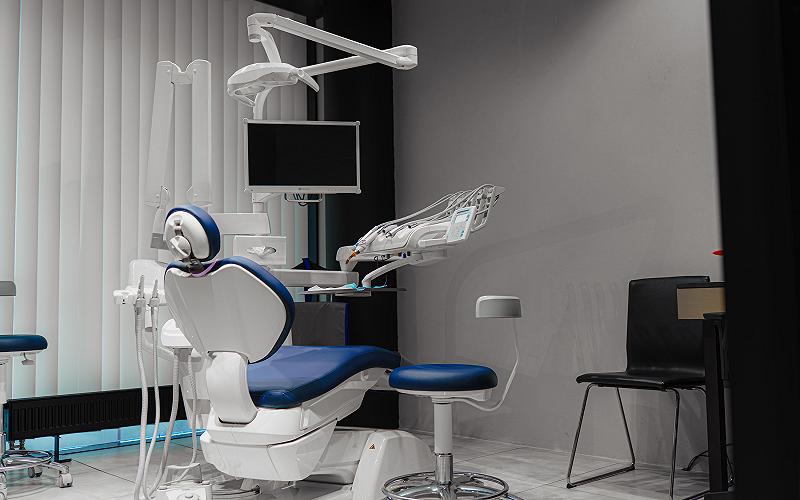
We care for your health with full commitment and professionalism.
Dental check-up and consultation
zł 150.00
Implantology consultation
zł 220.00
Prosthodontic consultation
zł 200.00
Oral surgery consultation
zł 200.00
Scaling, air polishing and fluoridation + OptraGate
zł 460.00
Periodontal check-up and consultation
zł 250.00
Pediatric dental hygiene (for children up to 14 years old)
zł 330.00
Tooth extraction
zł 400.00
Primary tooth extraction
zł 200.00
Dental treatment
from 400 zł
The success of our clinic is driven by experienced doctors – experts in their fields who combine knowledge, passion, and an individual approach to the patient.
What our clients say about us
Julianna Marchalewska

I highly recommend Dr. Volodymyr Livandovskyi - kind, professional, and committed. I am very satisfied with the visit!
Maksym Surzhok
Great dental clinic! Service at the highest level, doctors are very polite and professional. Treatments are painless, and the results are always pleasing. A comfortable atmosphere and modern equipment create pleasant conditions for treatment. I recommend it to everyone.
Nikita Pasechnyk
Kind staff, professional doctors, everything at the highest level. I recommend!
We have answers to all questions
Yes, we recommend prior registration – by phone or online.
No. We use modern and effective anesthesia, which makes the procedures completely painless and comfortable.
Yes, we have our own diagnostic equipment, including point X-rays and a pantomogram, which allows for quick and accurate diagnosis.
Of course. Regular check-ups and hygiene treatments are recommended every 6 months to maintain oral health and prevent cavities.
Yes, we offer consultations and dental treatment for children of all ages – in a friendly, stress-free atmosphere.
Yes, we perform root canal treatment using a microscope, which allows us to save teeth that would have previously required extraction.



.jpg)
.jpg)

.jpg)

.jpg)