
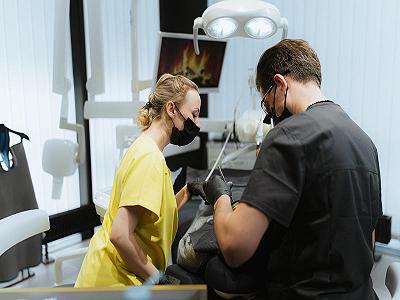
Dental check-up and consultation
zł 150.00
Modern implantology is one of the most advanced and dynamically developing branches of dentistry, allowing for permanent and maximally natural restoration of lost teeth. Thanks to new technologies, patients can regain full chewing function, a beautiful smile, and self-confidence even with total edentulism.
Dental implantation is a procedure involving the restoration of a lost tooth by inserting a titanium implant into the jawbone or mandible, which replaces the natural root. After the period of osseointegration, a crown, bridge, or denture is attached.
The most important advantage of this method is the physiological transfer of chewing forces to the bone, which prevents its loss (atrophy).
In contrast to classic prosthodontics, dental implantology does not require grinding down healthy adjacent teeth.
Implantation is recognized worldwide as the "gold standard" of tooth restoration because it restores the full biomechanics of the masticatory organ.
A modern implant is a precision construction consisting of several elements:
The part inserted into the bone. Made of medical-grade titanium, which is biocompatible and integrates with the bone tissue.
An element connecting the implant with the crown. It is responsible for the proper shaping of the gum. It can be made of titanium or zirconium.
The visible part of the tooth. Made individually from ceramics or zirconium.
Additionally, gingival formers and temporary crowns are used to achieve an optimal aesthetic effect.
Contemporary techniques allow treatment to be carried out even in difficult clinical cases.
The most proven and predictable protocol, used for over 30 years.
Stages:
Advantages:
The implant is inserted immediately after tooth extraction – during a single visit.
Advantages:
Often, a temporary crown is attached on the same day.
A method used in cases of total edentulism.
A permanent denture covering the entire dental arch is fixed on 4 or 6 implants.
Advantages:
In the event of bone loss, its reconstruction may be necessary.
Bone augmentation – increasing bone volume using biomaterials.
Sinus lifting – a procedure used in the upper jaw, involving lifting the floor of the maxillary sinus and filling the space with bone material.
Thanks to these procedures, implantation is possible even in difficult cases.
CBCT enables a three-dimensional assessment of:
This is the basis for safe and precise implantation planning.
This approach ensures a high success rate for the treatment.
After appropriate preparation, most patients can safely undergo the procedure.
The cost of treatment is determined individually and depends on:
An accurate valuation is possible after consultation and diagnostics.
Modern implantology allows for the effective restoration of a smile even in cases of total edentulism. You can sign up for a consultation via the form on our website.
During the visit, the dentist will assess the bone conditions, propose a suitable method, and prepare an individual treatment plan.
No. Implantation is performed under local anesthesia.
Yes, in many cases, immediate implantation is possible.
With proper hygiene, even 20–25 years, and often for life.
Yes, in most cases, a temporary crown is used.
Yes – it restores chewing function and aesthetics.
They are rare but possible with a lack of hygiene or failure to follow the doctor's recommendations.
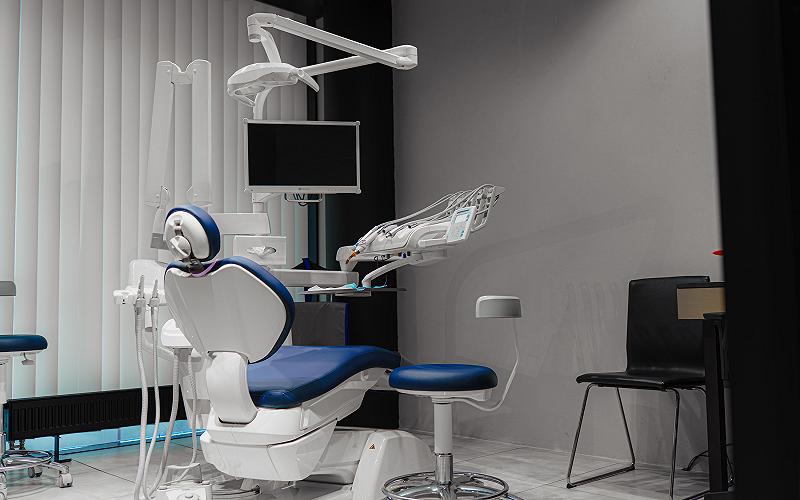
We care for your health with full commitment and professionalism.
Dental check-up and consultation
zł 150.00
Implantology consultation
zł 220.00
Prosthodontic consultation
zł 200.00
Oral surgery consultation
zł 200.00
Scaling, air polishing and fluoridation + OptraGate
zł 460.00
Periodontal check-up and consultation
zł 250.00
Pediatric dental hygiene (for children up to 14 years old)
zł 330.00
Tooth extraction
zł 400.00
Primary tooth extraction
zł 200.00
Dental treatment
from 400 zł
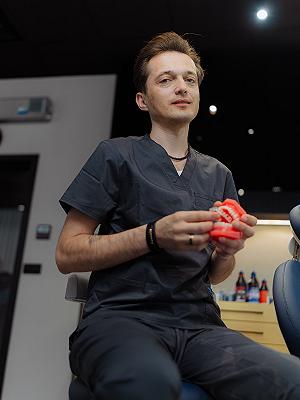
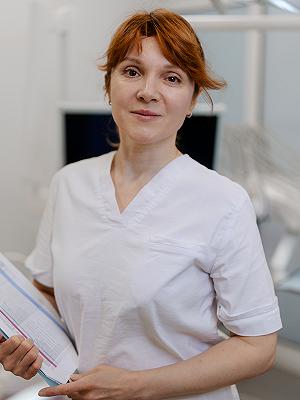
The success of our clinic is driven by experienced doctors – experts in their fields who combine knowledge, passion, and an individual approach to the patient.
What our clients say about us
Julianna Marchalewska

I highly recommend Dr. Volodymyr Livandovskyi - kind, professional, and committed. I am very satisfied with the visit!
Maksym Surzhok
Great dental clinic! Service at the highest level, doctors are very polite and professional. Treatments are painless, and the results are always pleasing. A comfortable atmosphere and modern equipment create pleasant conditions for treatment. I recommend it to everyone.
Nikita Pasechnyk
Kind staff, professional doctors, everything at the highest level. I recommend!
We have answers to all questions
Yes, we recommend prior registration – by phone or online.
No. We use modern and effective anesthesia, which makes the procedures completely painless and comfortable.
Yes, we have our own diagnostic equipment, including point X-rays and a pantomogram, which allows for quick and accurate diagnosis.
Of course. Regular check-ups and hygiene treatments are recommended every 6 months to maintain oral health and prevent cavities.
Yes, we offer consultations and dental treatment for children of all ages – in a friendly, stress-free atmosphere.
Yes, we perform root canal treatment using a microscope, which allows us to save teeth that would have previously required extraction.



.jpg)
.jpg)

.jpg)

.jpg)